The sacraments of the Orthodox Church
The seven sacraments and their place in Christian life.
A sacrament is a sacred act celebrated in the Orthodox Church through which the invisible gifts of the Holy Spirit are imparted in a visible form. A bishop or priest performs its visible actions. The Holy Orthodox Church recognises seven sacraments.
The first four sacraments are integral to the life of an Orthodox Christian. Baptism and Chrismation take place only once. Repentance and Communion should accompany a person from Baptism throughout life.
Holy Unction is celebrated for the seriously ill, and also on occasion in church as a communal service of anointing.
Not every Christian receives the sacraments of Marriage or Holy Orders.
Preparing for Baptism?
Before calling the priest, read the preparation guide and the requirements for parents and godparents.
Baptism
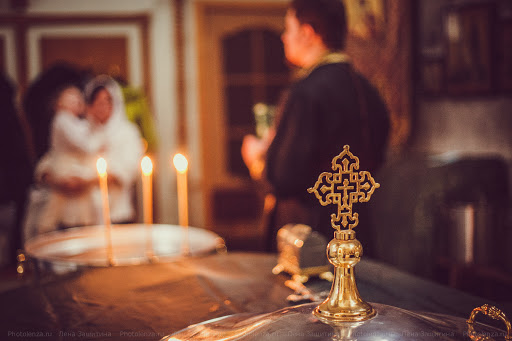
Baptism is a second birth and entry into the Church of God. It is the first condition for receiving the other sacraments, such as Repentance and the Eucharist.
After Adam’s fall, humanity inherited a fallen nature inclined towards sin. Scripture teaches that in Baptism a person dies to sin and is born anew to life in Christ.
Baptism opens the way to receiving God’s grace fully in this life and, above all, the path to the Kingdom of Heaven. It must never be understood as a magical rite that makes earthly life easier. A person receives Baptism for eternal life.
According to church tradition, catechetical conversations take place before Baptism so that a person understands why they are receiving the sacrament and learns the essentials of Orthodox teaching. Baptism should be a conscious choice. For infants who cannot yet make this choice, the Church has had godparents since ancient times; they accept responsibility before God for their godchildren. In this case, preparation meetings are held with them and with the child’s parents.
Chrismation
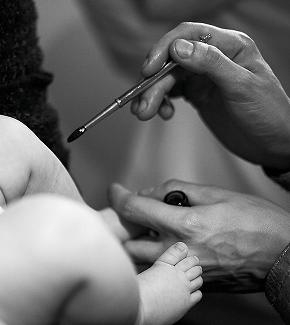
Chrismation is the sacrament of the descent of the Holy Spirit upon the newly baptised.
In apostolic times, after Baptism in water, an Apostle laid hands on the head of the newly baptised person, and the Holy Spirit descended upon them.
Today the priest celebrates this sacrament by anointing the newly baptised with holy chrism: specially prepared oil consecrated by the head of a local Orthodox Church. In the Russian Orthodox Church, the Patriarch of Moscow and All Russia consecrates chrism on Holy Thursday, and it is then distributed to churches. Through the apostolic succession of the Church’s hierarchy — the unbroken succession of episcopal ordinations from apostolic times — Chrismation continues the ancient apostolic laying on of hands.
In the Orthodox Church, Chrismation takes place immediately after Baptism.
Repentance (Confession)
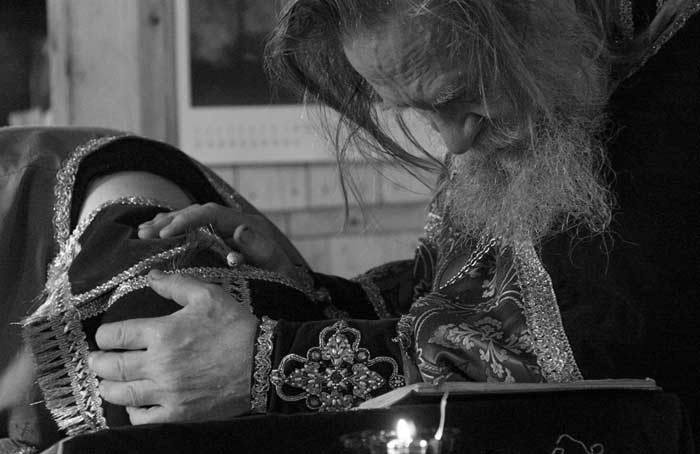
The call to repentance was among the first words of our Lord Jesus Christ when He began preaching: “Repent, for the kingdom of heaven is at hand.”
Repentance is the soul’s appeal to God for forgiveness of sins. The Greek word can be understood as “a change of mind”. Seeing one’s sins, a person desires to change their life. Repentance therefore means not only recognising sinfulness but earnestly seeking healing. Initially, repentance was associated with the preparation for Baptism. Already in the ancient Church, the form of repentance called Confession developed: a person confessed sins to God in the presence of witnesses, seeking reconciliation with the community and renewed participation in the sacraments. Today a priest hears Confession and reads the prayer of absolution, forgiving the confessed sins through the authority entrusted to him. Everything said and heard remains between the person, the priest and God and, under the canons of the Church, must not be disclosed to anyone else.
First Confession or returning after an absence: how to prepare.
The Eucharist (Holy Communion)
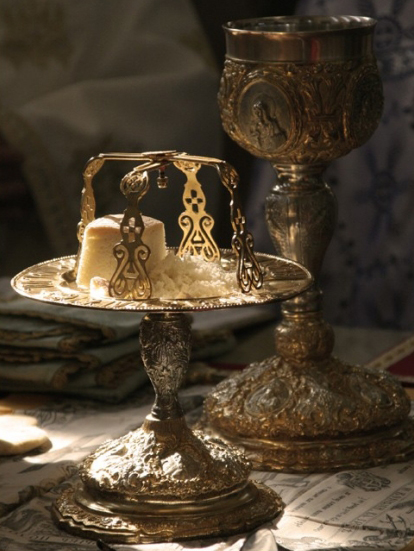
Christ instituted this sacrament at the Last Supper. Breaking bread, He gave it to His disciples and said, “This is My Body.” Then He gave them a cup of wine, saying, “This is My Blood.” In the Gospel of John, Christ says: “Whoever eats My flesh and drinks My blood has eternal life, and I will raise him up at the last day.»
In the Eucharist, bread and wine are changed into the Body and Blood of our Lord and God Jesus Christ. Christ’s Body and Blood are given to us in this life so that we may have eternal life. The Eucharist is therefore called the sacrament of sacraments, allowing us to touch eternity even now.
The Eucharist is celebrated at the service called the Divine Liturgy. Its order includes: 1. Preparation of the gifts — the priest prepares the liturgical bread and wine in a special way. 2. Preparation of the people through prayers and hymns. 3. Communion of the faithful in the Holy Gifts.
Communion presupposes belonging to the Orthodox Church, living a Christian life and participating in worship. Preparation in our parish includes fasting, Confession and the Order of Preparation for Holy Communion. Discuss dietary fasting and your preparation with the priest in person. This is especially important before a first Communion or after a long absence.
Adjustments for illness, pregnancy, breastfeeding and children should be agreed with the priest. Read more in the section on questions about preparing for Communion.
Anointing of the sick (Holy Unction)
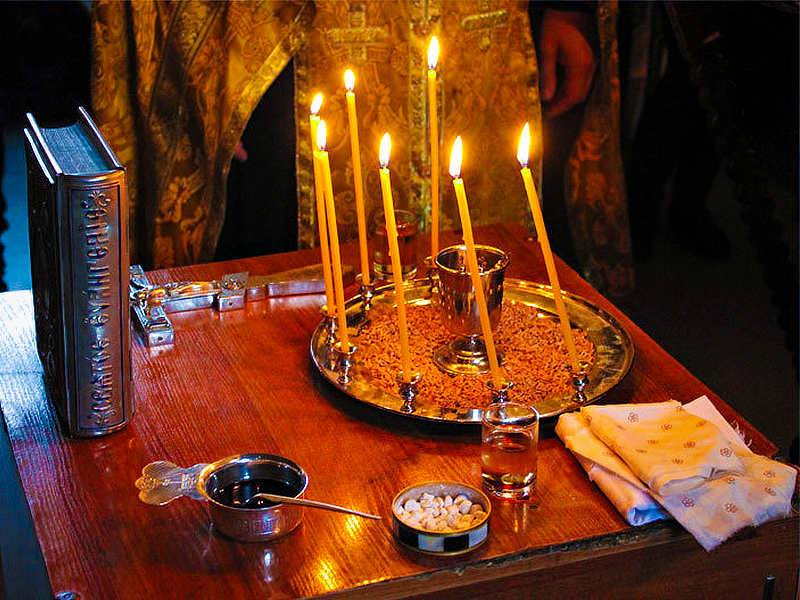
This sacrament is celebrated in the Church for the healing of seriously ill members of the community. The Epistle of James speaks of the elders of the Church anointing a sick person with oil and praying for their healing.
In current practice, Holy Unction is celebrated for a sick person in church, at home or in hospital. It is often administered by one priest.
A communal service of Holy Unction is also celebrated during Great Lent, traditionally by seven priests and often presided over by a bishop. Gospel passages and special prayers are read, and the faithful are anointed seven times.
Communal Holy Unction is celebrated for the strengthening of the faithful and the forgiveness of forgotten sins.
If a sick person needs a priest’s visit, arrange this with him in advance. Questions about Holy Unction.
Marriage
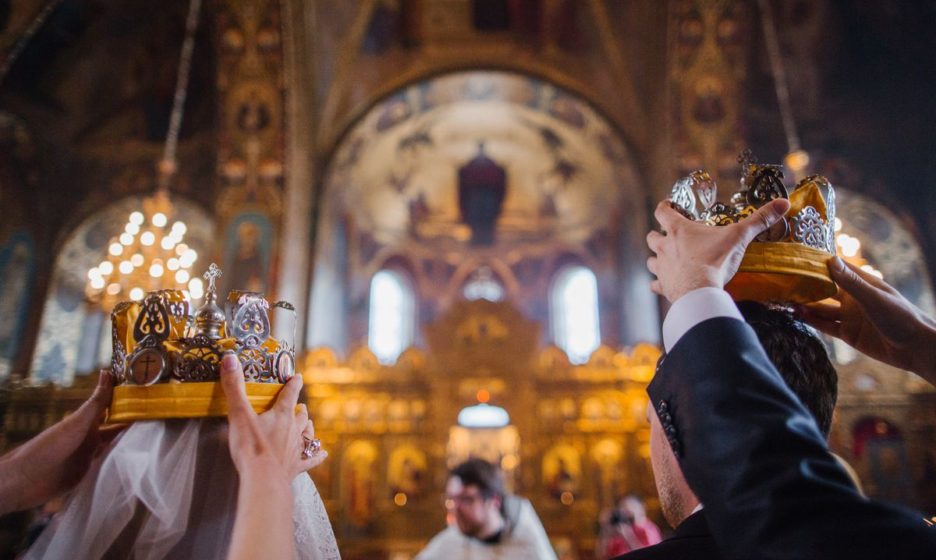
The sacrament of Marriage has existed in the Church since ancient times. Holy Scripture speaks of it in these words: “This is a great mystery.”
The coming into being of new life belongs to the mystery of God’s providence, and marital life is therefore called to purity.
The Church recognises marriages registered by the civil authorities, while practising Christians usually also wish to consecrate their married life before God.
The church wedding is often called “crowning” because crowns are placed on the couple during the service. They symbolise both martyrdom — the spouses’ self-sacrifice in family life — and royal joy, as well as crowning for the Kingdom of Heaven.
Discuss preparation with the priest before choosing a date. Practical questions about church marriage · Contact the priest.
Holy Orders
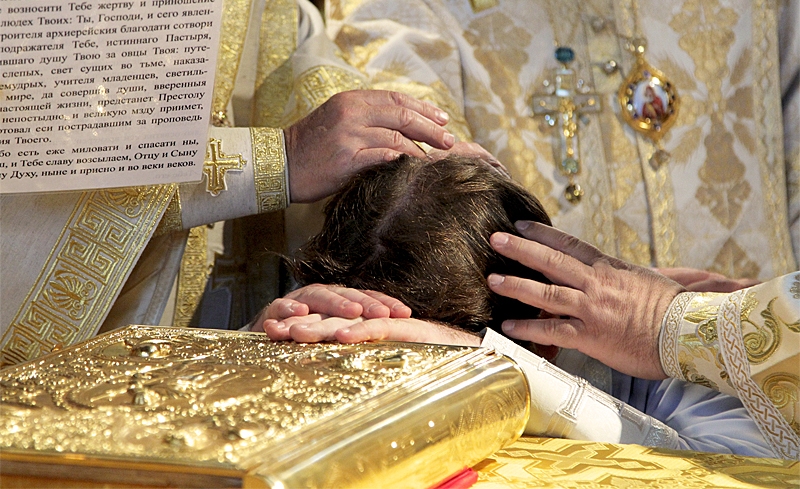
Like Marriage, this sacrament is not received by every Christian. It is conferred upon those chosen by the Church for ministry.
From ancient times the Church has had three degrees of ordained ministry established by the Apostles: deacon, presbyter and bishop.
The sacrament of Holy Orders takes place during the Liturgy and is called ordination, or the laying on of hands.
A deacon — from the Greek for “servant” — belongs to the first degree of ordained ministry. A deacon assists a priest or bishop but cannot celebrate the sacraments independently.
A presbyter — from the Greek for “elder” — belongs to the second degree. Presbyters are commonly called priests. With the diocesan bishop’s blessing, a priest may celebrate the sacraments except ordination.
A bishop — from the Greek for “overseer” — was originally appointed by the Apostles to care for the Church in a city or region. The area under a bishop’s care is called a diocese. Within it, the bishop appoints priests and deacons to serve individual churches. A bishop may celebrate all the sacraments, including ordaining deacons and priests. Episcopal consecration is performed jointly by three bishops or, in exceptional circumstances, two.
The church hierarchy is necessary for the harmonious life of the Church.